

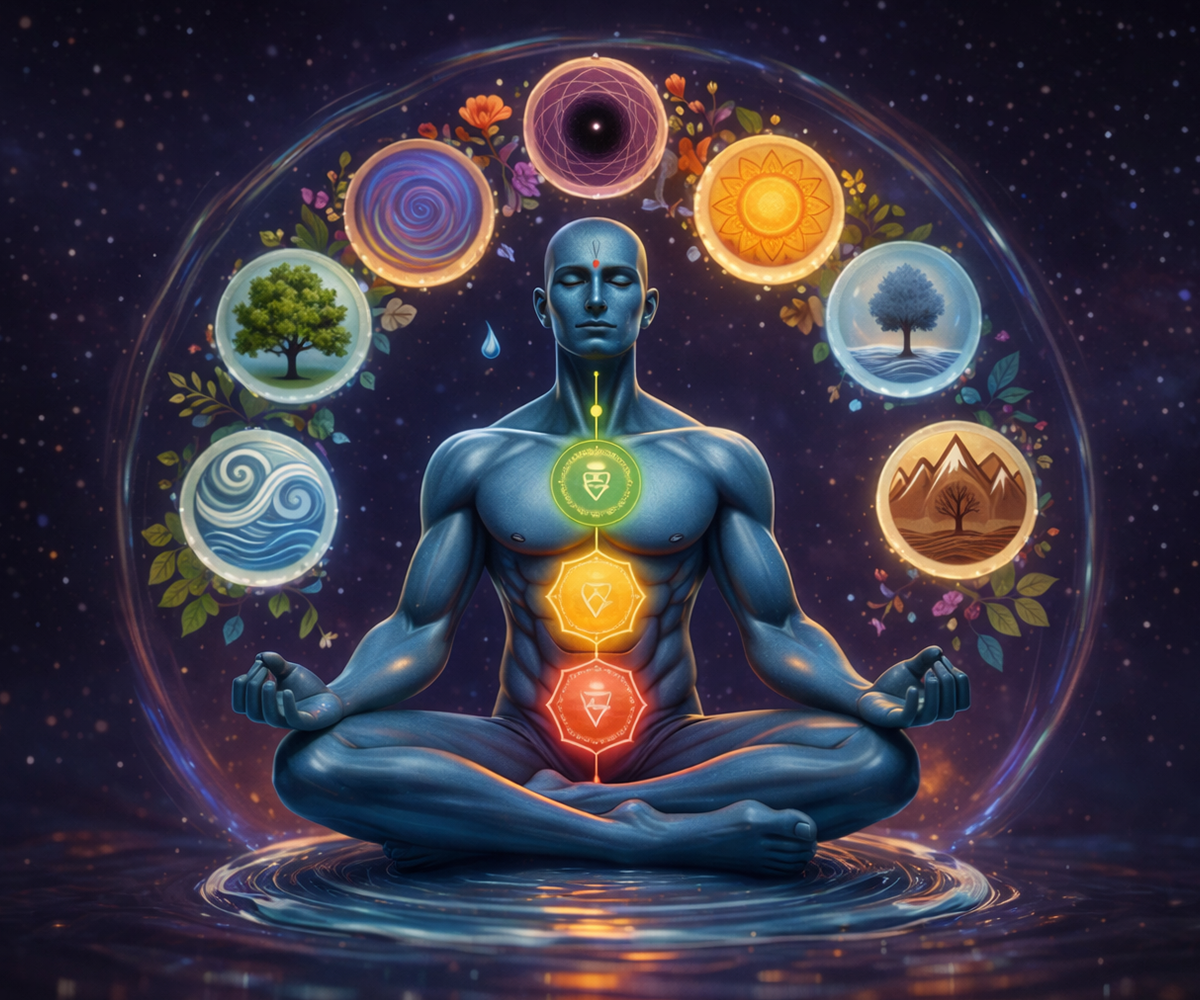
Understanding Vibhuti Pada and the Four Padas of Patanjali Yoga Sutra
Vibhuti Pada is a crucial chapter in Patanjali's Yoga Sutras, focusing on the advanced stages of yoga practice. It explores the mind's power to manifest and discusses the siddhis or 'superhuman powers' that can be achieved through dedication to the eight-limbed path of yoga. These powers are not supernatural but are accessible through intense practice and mastery of the mind. The powers listed in this chapter are the result of samyama, which encompasses the last three limbs of Patanjali's eight-limbed path: dharana (concentration), dhyana (meditation), and samadhi (enlightenment). However, Patanjali cautions practitioners to approach these powers without ego, as they can become obstacles on the path to Kaivalya or 'final liberation.'
The Four Padas of Patanjali Yoga Sutra
1. Samadhi Pada (Enlightenment)
2. Sadhana Pada (Practice)
3. Vibhuti Pada (Powers or Manifestations)
4. Kaivalyam Pada (Liberation)
The Eight Limbs of Yoga:
Patanjali’s Yoga Sutras outline an eight-fold path known as the Ashtanga Yoga System or 8 Limbs of Yoga:
1. Yama – Restraints, moral disciplines or moral vows
2. Niyama – Positive duties or observances
3. Asana – Posture
4. Pranayama – Breathing Techniques
5. Pratyahara – Sense withdrawal
6. Dharana – Focused Concentration
7. Dhyana – Meditative Absorption
8. Samadhi – Bliss or Enlightenment
1. Yama – Restraints, Moral Disciplines, or Moral Vows
- Ahimsa (non-violence)
- Satya (truthfulness)
- Asteya (non-stealing)
- Brahmacharya (right use of energy)
- Aparigraha (non-greed or non-hoarding)
2. Niyama – Positive Duties or Observances
- Saucha (cleanliness)
- Santosha (contentment)
- Tapas (discipline or burning desire)
- Svadhyaya (self-study or self-reflection)
- Isvarapranidaha (surrender to a higher power)
3. Asana – Posture
- Refers to the seat taken for meditation, should be steady and comfortable.
4. Pranayama – Breathing Techniques
- Involves controlling or liberating the breath to influence the mind.
5. Pratyahara – Sense Withdrawal
- Involves withdrawing the senses to focus inwardly, which is essential for deep meditation.
6. Dharana – Focused Concentration
- Holding attention on a single point or object.
7. Dhyana – Meditative Absorption
- Deep, uninterrupted flow of concentration leading to meditation.
8. Samadhi – Bliss or Enlightenment
- The ultimate goal of yoga, is a state of unity and liberation.
The True Meaning of Yoga:
The word yoga means to connect, unite, or yoke. It aims to connect with the true Self, the divine essence or atman. Yoga can also mean separation or disentanglement, freeing oneself from whatever inhibits freedom, ultimately leading to moksha (liberation).
By understanding and practicing these principles, one can progress through the stages of yoga, leading to a profound transformation and ultimate liberation.